
El Paquete puente de 30 horas para proveedores de cuidado infantil de Maryland es un programa de formación especializado diseñado para profesionales del cuidado infantil en Maryland que ya cuentan con una certificación de 90 horas. Ayuda a estas personas a cumplir la formación adicional requerida para obtener la credencial Child Development Associate (CDA). Este programa es especialmente beneficioso para quienes han completado la formación de 45 horas en Crecimiento y Desarrollo y 45 horas en Plan de Estudios y ahora buscan avanzar en su carrera y aumentar su potencial de ingresos en la educación infantil.
Características clave del Paquete puente de 30 horas:
-
Público objetivo: Proveedores de cuidado infantil de Maryland que tienen una certificación de 90 horas y han completado tanto la formación de 45 horas en Crecimiento y Desarrollo como la de 45 horas en Plan de Estudios.
-
Propósito: El objetivo principal de este programa es proporcionar las 30 horas restantes de formación requeridas para calificar para la credencial Child Development Associate (CDA).
-
Credencial CDA: La credencial CDA es muy valorada en la educación infantil y constituye una cualificación importante para los profesionales que buscan crecimiento profesional. Refleja la dedicación a ofrecer atención y educación de alta calidad a los niños pequeños.
-
Contenido del curso: El Paquete puente de 30 horas cubre temas cruciales en educación y desarrollo infantil, tales como:
- Comprender los hitos del desarrollo en niños pequeños.
- Diseñar e implementar experiencias de aprendizaje efectivas que abarquen el desarrollo social, emocional, cognitivo y físico.
- Apoyar a niños con necesidades especiales.
- Fomentar el profesionalismo en el entorno de cuidado infantil.
-
Formato en línea: El curso se imparte en línea, lo que permite a los participantes completar el programa a su propio ritmo dentro de un plazo establecido.
-
Apoyo interactivo de instructores: Los participantes reciben apoyo continuo de los instructores para ayudarles a comprender plenamente y aplicar el material del curso.
-
Revisión del portafolio: Se incluye una revisión del portafolio, que es una parte importante del proceso de obtención de la credencial CDA. Un portafolio bien desarrollado destaca la experiencia y las habilidades del candidato en el trabajo con niños pequeños.
-
Recursos y materiales: Los participantes obtienen acceso a más de 100 recursos y materiales complementarios para reforzar y ampliar el contenido del curso.
-
Avance profesional: Obtener la credencial CDA abre nuevas vías profesionales y puede conducir a un mayor potencial de ingresos en el campo de la educación infantil, demostrando el compromiso del profesional con la excelencia en el cuidado y la educación de los niños.
By the end of this training, the learner will be able to:
- Define differentiated instruction in early childhood education and describe how it may look in the classroom.
- Identificar y reflexionar sobre los sesgos y explorar enfoques contra los sesgos que apoyen el trabajo con niños y familias.
- Demostrar comprensión de cómo traducir la información de evaluación y de observación en el desarrollo de objetivos a corto y largo plazo
- Explique el desarrollo típico y atípico.
- Identifique las diferencias entre el tamizaje del desarrollo y las evaluaciones del desarrollo.
- Reconozca la importancia del uso de las evaluaciones del desarrollo.
- Demonstrate understanding of inclusionary practices for anxiety in the child care setting.
- Define and identify common signs and behaviors of children and youth with fetal alcohol syndrome.
- Describa los componentes del ASQ.
- Give examples of what educators can submit as samples for children’s portfolios.
- Defina las Experiencias Adversas en la Infancia e identifique sus efectos en el desarrollo infantil
- Demonstrate understanding of using assessment and observations for short and long term goal development for ages birth to three.
- Reconocer la importancia de conocer las etapas del desarrollo.
- Recognize the differences between major theories.
- Explique cómo la teoría se refleja en el entorno de atención infantil.
- Identificar teóricos de la orientación y la disciplina
- Definir e identificar los signos y comportamientos comunes de niños y jóvenes con depresión.
- Definir e identificar signos y comportamientos comunes en niños y jóvenes con discapacidades del desarrollo.
- Definir e identificar los signos y comportamientos comunes en niños y jóvenes con ADHD.
- Enumere recursos comunitarios, apoyos y referencias para ADHD.
- Demonstrate understanding of inclusionary practices for ADHD in the child care setting.
- Demonstrate understanding of inclusionary practices for cerebral palsy in the child care setting.
- Demostrar comprensión de las prácticas inclusivas dirigidas a personas con discapacidades del desarrollo en el entorno de cuidado infantil.
- Enumere recursos comunitarios, apoyo y derivaciones para discapacidades del desarrollo.
- List community resources, supports, and referrals for cerebral palsy.
- Demostrar comprensión de las prácticas inclusivas para el trastorno del espectro autista en el entorno de cuidado infantil.
- Demonstrate how theory is reflective in the child care environment for infants and toddlers.
- Definir e identificar los signos y comportamientos comunes de niños y jóvenes con trastorno de conducta.
- Defina la resiliencia e identifique formas en que ésta ayuda a los niños pequeños a superar estresores tóxicos.
- Enumere los recursos comunitarios, apoyos y derivaciones para el síndrome alcohólico fetal.
- Demonstrate understanding of inclusionary practices for fetal alcohol syndrome in the childcare setting.
- Describe las etapas del desarrollo emocional en los niños pequeños.
- Demostrar comprensión de cómo implementar un Plan de Educación Individual.
- Describe ways to analyze classrooms for an anti-bias approach.
- Defina las similitudes entre las principales teorías.
- Identificar estrategias efectivas para entrevistar a posibles nuevos miembros del personal.
- Identify the components of a lesson plan for the family child care setting
- Define the Cycle of Inquiry and how it can be used to plan emergent curriculum.
- Definir e identificar signos y comportamientos comunes en niños y jóvenes con trastorno del espectro autista.
- Enumere recursos comunitarios, apoyos y derivaciones para el trastorno del espectro autista.
- Definir e identificar los signos y comportamientos comunes en niños y jóvenes con ansiedad.
- Definir e identificar los signos y comportamientos comunes en niños y jóvenes con parálisis cerebral.
- Demostrar comprensión del currículo emergente.
- Recognize the needs of individualized learning for infants and toddlers.
- List community resources, supports, and referrals for depression.
- Describe las etapas del duelo y las diferentes maneras en que los niños reaccionan al duelo y al estrés.
- Identify characteristics of project based learning in the classroom environment and curriculum
- Identificar herramientas de evaluación.
- Enumere estrategias para colaborar con especialistas en la administración de evaluaciones del desarrollo.
- Dé ejemplos de herramientas que registran y comunican información crítica a otros miembros del personal y a las familias.
- Identificar estrategias para trabajar con niños con necesidades especiales.
- Identify the different types of portfolios used in child care programs, and the appropriate portfolio components for each type.
- Reconocer la importancia de la resolución de problemas y de las estrategias para la resolución de conflictos con los miembros de la comunidad y las familias
- List community resources, supports, and referrals for conduct disorder.
- Demonstrate understanding of inclusionary practices for depression in the childcare setting.
- List community resources, supports, and referrals for anxiety.
- Identificar los problemas de comunicación comunes en el entorno de atención y educación temprana
- Describe Piaget’s sensorimotor and preoperational stages of cognitive development.
- Criteria to earn CEUs:
- Certificates are awarded when the following criteria have been met by the learner:
- Class has been paid in full
- All material has been reviewed
- All review questions and final test have been completed with a passing score of 80% or higher.
- Learning Assessment Method:
- Learners will be assessed through questions after every section is completed. Learners will not be
allowed to proceed to the next section of the training until all questions have been answered correctly.
Learners will be presented with a final test composed of true/false and multiple choice questions.
Upon successful completion of the training, learners will receive their certificate by email.
- Learning Methodology:
- Online material will be presented in the form of slides,
accompanied with speech. Videos will be used to demonstrate ideas and concepts. Charts and tables
will be used for illustration.
- Logistics/Required Technology:
- A stable internet connection is required for the completion of this course. Users are highly encouraged to take their online course on Google Chrome on either a laptop or desktop computer. Speakers and/or headphones are also required to hear speech.
- Payment Policy:
- Payments need to be made in full. No refunds will be issued after starting the class.
- Proprietary or conflict of interest disclosure:
- Unless otherwise stated in the course description none of H & H subject matter experts and editor has any conflict or proprietary interests related to the material they prepared in this course.
- Support Services:
- Please visit our contact us page
You are purchasing a session of an online training that includes online assessments. Your certificate will be emailed to you once you pass the final exam with a passing grade of 80%.
Your certificate will bear the name you provided to us when you signed up. For support and questions regarding the material presented in this class please contact us at info@childcareed.com. Please consult our frequently asked questions page for other questions or feel free to contact us.
ChildCareEd CDA Credential Training Portfolio Review – Required Documents
As part of our Portfolio Review process, you are required to upload the following documents for review by our team of certified CDA PD Specialists..
Please note:
- All documents must be uploaded as PDF files. Other formats will not be accepted.
- Each document you submit is a required component of your Professional Portfolio.
- Once submitted, our certified CDA PD Specialists will review your documents. They will either approve your submission or provide feedback requesting revisions and resubmission.
- After all documents have been reviewed and accepted, and you have successfully completed all coursework, you will receive your certificate of completion for your CDA training.
Required Reflective Competency Statements and Documents
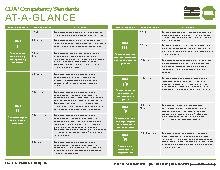
- CS I: How you create a safe, healthy, and learning-friendly environment.
- CS II: How you promote physical and cognitive growth.
- CS III: How you help children build positive relationships and self-control.
- CS IV: How you engage and support families.
- CS V: How you keep the classroom organized and support children’s learning.
- CS VI: Your professional growth and advocacy.
- Professional Philosophy Statement