
Comience un nuevo capítulo en el apoyo al desarrollo de la primera infancia con nuestro atractivo curso de renovación CDA para infantes y niños pequeños, diseñado cuidadosamente para ayudar a los profesionales del cuidado infantil a refrescar sus habilidades y su compromiso con el fomento del crecimiento y el bienestar de los bebés y los niños pequeños.
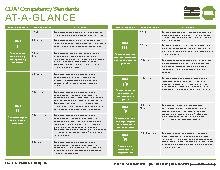
Una vez que obtienen su credencial CDA, los profesionales del cuidado infantil deben completar cursos de renovación cada tres años antes de que sus credenciales caduquen. El objetivo de la renovación es garantizar que los proveedores mantengan los conocimientos y la competencia necesarios para enseñar a infantes y niños pequeños. Este curso ofrece las horas completas requeridas que abarcan los ocho estándares de competencia de la CDA.
By the end of this training, the learner will be able to:
- Identify the causes and locations of child injuries at childcare settings.
- Identificar los calendarios médicos y de inmunización recomendados para niños desde el nacimiento hasta los tres años
- Identificar estrategias para una comunicación efectiva con las familias.
- Identify types of abuse in infants and toddlers, how to report, and who are mandated reporters.
- Identify strategies to promote cultural diversity and acceptance in the child care environment.
- Recognize the importance of consistency, continuity, and responsiveness in supporting pro-social behaviors in children.
- Demostrar comprensión sobre cómo abordar a los padres como socios iguales en el aprendizaje.
- Give examples of strategies to help children resolve conflict amongst themselves.
- Identify the signs of traumatic brain injury in infants and young children.
- Demonstrate understanding of the harmful effects of excessive sun exposure in infants and young children.
- Reconocer y prevenir el síndrome del bebé sacudido
- Describe a classroom management plan that promotes positive reinforcement, clear expectations, and consistent implementation.
- Enumere los riesgos de seguridad para bebés y niños pequeños y las estrategias para disminuir estos riesgos.
- List recommended feeding schedules and identify strategies for introducing new food for children birth through age three.
- List benefits to a multicultural and inclusionary environment.
- Describa la diferencia entre las lesiones no intencionales y las lesiones no fatales que pueden experimentar los niños.
- Describe the impact of culture on infant and toddler development
- Describe the importance of learning centers in the early childhood education environment.
- Describe the primary learning centers and their components.
- Describa los pasos que los docentes deben seguir para identificar comportamientos desafiantes.
- Identificar formas de reflexionar sobre las propias perspectivas personales con valentía y/o humildad
- Identificar formas de examinar el comportamiento infantil para prepararse para la orientación.
- Identificar teóricos de la orientación y la disciplina
- Dé ejemplos de estrategias que los docentes pueden utilizar para comunicarse con los padres sobre comportamientos desafiantes.
- Identificar las etapas del desarrollo cognitivo de Jean Piaget.
- Identificar la teoría y el teórico en relación con el desarrollo infantil.
- Demostrar comprensión del desarrollo típico y atípico desde el nacimiento hasta los 2 años.
- Identificar las etapas y los hitos del desarrollo desde el nacimiento hasta los 2 años.
- Identificar recursos para derivación y servicios especializados.
- Enumere los recursos y el proceso de derivación para bebés y niños pequeños con una discapacidad sospechada o diagnosticada.
- Definir la salud mental y sus indicadores en lactantes y niños pequeños.
- Demostrar comprensión de las posibles violaciones a la confidencialidad y tomar medidas para reducir el riesgo de que ocurran.
- Demonstrate Understanding of Meal Planning for young children.
- Demostrar comprensión de la interacción adecuada con bebés y niños pequeños.
- Demonstrate an understanding of appropriate supervision for all children’s activities.
- Identificar prácticas apropiadas para la identificación, prevención y tratamiento de enfermedades transmisibles en el cuidado infantil.
- Give examples of strategies in responding to typical child care situations.
- Demonstrate how to develop policies and procedures that promote good hygiene
- Demuestre cómo la teoría se refleja en el entorno del cuidado infantil.
- Identificar estrategias para escuchar sin emitir juicios sobre lo nuevo o lo desconocido
- Identify the components of the MY Plate.
- Demostrar comprensión de un IFSP y la eliminación de barreras
- Demostrar comprensión sobre cómo implementar un Plan Individual de Apoyo Familiar.
- Demostrar comprensión sobre cómo desarrollar estrategias para involucrar a los padres en el entorno de cuidado infantil.
- Dé ejemplos de estrategias que los cuidadores pueden utilizar para garantizar hábitos de sueño seguros y prevenir SIDS/SUIDS en lactantes.
- Enumere las razones más comunes por las que los lactantes y los niños pequeños muerden.
- Dé ejemplos de estrategias para prevenir lesiones cerebrales traumáticas en lactantes y niños pequeños.
- Recognize the needs of individualized learning for infants and toddlers.
- Demostrar comprensión de la importancia de la relación entre padres y cuidadores
- Identificar estrategias para el proveedor de cuidado infantil que promuevan un desarrollo infantil exitoso.
- Identificar los diferentes estilos de aprendizaje de los niños pequeños
- Identificar adaptaciones a materiales y equipos para niños con necesidades especiales o retrasos diagnosticados
- Demostrar comprensión de cómo estar abierto a nuevas perspectivas y a personas diversas.
- Describa maneras en que los profesionales del cuidado infantil pueden demostrar liderazgo con las familias y la comunidad.
- Identificar diferentes tipos de juego.
- Defina el término multiculturalismo y cómo se relaciona con el entorno del niño.
- Demostrar comprensión de cómo los materiales y el equipo disponibles guían el desarrollo de actividades
- Identificar estrategias para integrar la cultura y la diversidad en un programa para bebés y niños pequeños
- Demostrar una comprensión de diversas perspectivas y navegar la ambigüedad y la complejidad que ello conlleva.
- Enumere los pasos para completar un informe sobre abuso y negligencia.
- Identificar la importancia del desarrollo profesional para los profesionales del cuidado infantil y las estrategias para tomar decisiones significativas.
- Describe el significado de la disciplina positiva en el aula.
- Identificar las causas de la obesidad en los niños.
- Demonstrate an understanding of proper food storage and preparation.
- Identificar estrategias para ayudar a los niños con alergias alimentarias o problemas de alimentación.
- Reconocer la importancia de la resolución de problemas y de las estrategias para la resolución de conflictos con los miembros de la comunidad y las familias
- Identify the requirements of an appropriate environment that will promote free exploration and manipulation.
- Reconocer estrategias para conferencias efectivas con las familias.
- Describe the various ways teachers can address challenging behaviors in the classroom.
- Demostrar comprensión de las habilidades de escucha efectivas en el cuidado infantil.
- Criteria to earn CEUs:
- Certificates are awarded when the following criteria have been met by the learner:
- Class has been paid in full
- All material has been reviewed
- All review questions and final test have been completed with a passing score of 80% or higher.
- Learning Assessment Method:
- Learners will be assessed through questions after every section is completed. Learners will not be
allowed to proceed to the next section of the training until all questions have been answered correctly.
Learners will be presented with a final test composed of true/false and multiple choice questions.
Upon successful completion of the training, learners will receive their certificate by email.
- Learning Methodology:
- Online material will be presented in the form of slides,
accompanied with speech. Videos will be used to demonstrate ideas and concepts. Charts and tables
will be used for illustration.
- Logistics/Required Technology:
- A stable internet connection is required for the completion of this course. Users are highly encouraged to take their online course on Google Chrome on either a laptop or desktop computer. Speakers and/or headphones are also required to hear speech.
- Payment Policy:
- Payments need to be made in full. No refunds will be issued after starting the class.
- Proprietary or conflict of interest disclosure:
- Unless otherwise stated in the course description none of H & H subject matter experts and editor has any conflict or proprietary interests related to the material they prepared in this course.
- Support Services:
- Please visit our contact us page
You are purchasing a session of an online training that includes online assessments. Your certificate will be emailed to you once you pass the final exam with a passing grade of 80%.
Your certificate will bear the name you provided to us when you signed up. For support and questions regarding the material presented in this class please contact us at info@childcareed.com. Please consult our frequently asked questions page for other questions or feel free to contact us.
No prerequisites are required for the completion of this course.