Define the term inclusion and how it relates to the child care environment and practice
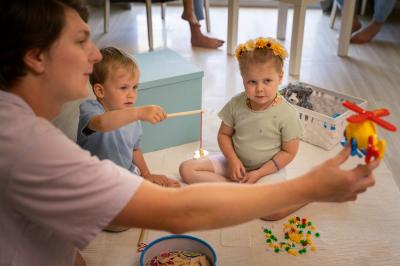
Welcome to our page on inclusion in the child care environment! Here, we define the term inclusion and explore its relevance to children of all ages in child care centers. Discover how creating an inclusive environment can positively impact early childhood education and enhance the overall practice of child care.Trainings incorporating this outcome
120 hours courses
 12 CEUs
 online
CDA Family Child Care Credential with Portfolio Review  Credencial CDA de Cuidado Infantil Familiar con Revisión del Portafolio
Credencial CDA de Cuidado Infantil Familiar con Revisión del Portafolio 5/5
12 CEUs online
CDA Infant/Toddler Credential with Portfolio Review Credencial CDA para infantes y niños pequeños con revisión de portafolio
Credencial CDA para infantes y niños pequeños con revisión de portafolio 4.8/5
12 CEUs online
CDA Preschool Credential with Portfolio Review Credencial CDA para Preescolar con Revisión de Portafolio
Credencial CDA para Preescolar con Revisión de Portafolio 4.7/5
2 hours courses



Related Outcomes
- Define the term inclusion and how it relates to the child care environment and practice for all ages.
- Identify and understand the requirements of Child Care Subsidy (POC), Child and Adult Food Program, MSDE Child Care Credential, Tiered Reimbursement, and the Child Care Career and Professional Development Fund
- Define the term multiculturalism and how it relates to the child's environment.
- Define the meaning of professionalism in child care.
- Identify factors that may influence learning for a child in the family child care environment.
- Define what is an emergency and the legal requirements for emergency preparedness for child care professionals.
- Demonstrate how theory is reflective in the child care environment for infants and toddlers.
- Identify strategies to promote cultural diversity and acceptance in the child care environment
- Describe the importance of monitoring the family child care environment for potential risks.
- Demonstrate understanding of inclusionary practices for ADHD in the child care setting.
- Demonstrate appropriate/effective responses as they relate to a variety of typical child care scenarios.
- Describe strategies and experiences to promote collaboration between child and youth care professionals and programs and other professionals involved in the care and education of all children and youth.
- List strategies for coaches and mentors on how to apply DEI practices in child care.
- Identify appropriate practice for the identification, prevention, and treatment of communicable diseases and illnesses in child care setting
- Demonstrate an understanding of the importance of schedules and consistency in a child care environment.
- Demonstrate understanding of inclusionary practices for cerebral palsy in the child care setting.
- Identify appropriate practices communicable diseases/illnesses and immunizations and their schedules in child care setting
- Identify strategies for the child care provider that will promote successful child development.
- Identify practices for managing Illnesses, diseases, allergies, and medication in child care.
- Demonstrate understanding of inclusionary practices for anxiety in the child care setting.
