When children feel loved, valued, and secure, they’re free to explore the world around them with confidence. That’s why Supporting Social and Emotional Development is one of the most important competency standards in the Birth-to-5 CDA Credential.  Buy Now
$399.00$299.00 This area emphasizes helping young children understand themselves, manage their feelings, and connect positively with others. In this article, we’ll explore what this standard covers, why it’s crucial, and how you can bring it to life in your classroom.
What does Supporting Social and Emotional Development really mean?
This competency standard is all about nurturing the “whole child” beyond academics and physical skills. It includes:
-
Self-concept: Helping children recognize their own abilities and build confidence.
-
Self-control: Teaching children to manage emotions, follow routines, and practice patience.
-
Social skills: Encouraging cooperation, sharing, empathy, and positive #relationships among peers.
-
Guidance: Supporting appropriate behaviors with positive #guidance strategies, not punishment.
Children’s early experiences shape development, and educators can support social-emotional learning through responsive relationships and intentional teaching. For practical ideas about nurturing peer connections, see Supporting Social Relationships Among Young Children. For a broader overview, see Child Development and the Role of the CDA. Here’s why this competency standard matters:
-
School readiness: Children who can manage emotions and work well with peers adapt more easily to structured learning environments and build #readiness for group learning.
-
Lifelong skills: Empathy, resilience, and self-control are essential for healthy relationships and #career success in professional and personal life.
-
Emotional security: When children feel safe expressing themselves, they’re more engaged and curious learners.
-
Behavioral support: A strong foundation helps reduce conflicts and supports smoother classroom management.
How can educators respond when a child is overwhelmed?
Social-emotional competence develops through repeated, supported experiences; it is not a skill children can be expected to demonstrate consistently in every situation. When a child becomes distressed, first attend to safety and co-regulation. Use a calm voice, stay physically available without crowding, and name the observable feeling: “You look frustrated that the blocks fell.” Avoid demanding an explanation while the child is highly upset. Once the child is calmer, offer a small number of appropriate choices and help them identify a next step.
Educators can make this support more consistent by observing what happens before, during, and after challenging moments. Record objective details, such as the activity, transition, peer interaction, and adult response, rather than labeling a child as “difficult.” Look for patterns: Does distress occur when the room becomes noisy, when a preferred activity ends, or when a child has to wait? Use those observations to adjust the environment, prepare children for transitions, and teach a specific alternative skill, such as asking for a turn or seeking help. Share relevant observations with families respectfully, inviting their knowledge of the child’s communication, routines, and cultural context.
For infants and toddlers, responsive caregiving, predictable routines, and warm back-and-forth interactions provide the foundation for regulation and trust. With preschoolers, educators can add feeling words, puppets, stories, and guided peer problem-solving. Across ages, expectations should reflect developmental variation, disability-related needs, language development, and each child’s experience. If a concern persists or affects participation and well-being, follow program procedures for partnering with the family and seeking appropriate developmental consultation; do not diagnose a child based on classroom observations.
To reflect on practice, document one interaction that supported a child’s agency and one moment when a change in timing, materials, or adult support might help. These specific observations can guide intentional planning and provide concrete examples of professional practice. They also connect the competency to everyday teaching: noticing children’s cues, responding respectfully, and adapting support as relationships and skills develop. Review these notes regularly with colleagues to identify effective strategies.
How can educators support children’s social and emotional growth?
To demonstrate this CDA competency, educators can use intentional practices that support connection and participation. See Boosting Social Skill Development with the CDA Credential for related ideas.
-
Model positive behavior: Show kindness, patience, and empathy in daily interactions.
-
Build routines: Predictable schedules help children feel secure and manage transitions more smoothly.
-
Use positive guidance: Redirect, offer choices, and encourage #problem-solving rather than punishment.
-
Encourage expression: Provide safe ways for children to talk, draw, or role- play about their feelings.
-
Foster friendships: Organize activities that promote teamwork, turn-taking, and peer support.
-
Celebrate diversity: Respect and incorporate each child’s culture, language, and family background.
How does ChildCare Ed support this competency?
Professional learning can help educators connect competency standards with reflective practice. For another perspective on supporting children’s well-being, read The CDA and Helping Children Thrive. Educators seeking focused professional learning can explore CDA Subject Area 3 Buy Now $80.00, a training course covering social-emotional development and positive guidance. Confirm whether any training is accepted for your individual credential or professional development requirements with the relevant organization.
What reflection questions should educators ask themselves?
-
Do I model the social and emotional skills I want children to learn?
-
Am I using positive, developmentally appropriate guidance techniques?
-
Do I create opportunities for children to build friendships and practice empathy?
-
How do I help children understand and manage strong emotions?
-
Am I celebrating and respecting the unique backgrounds of each child?
Focusing on social and emotional development can support a more connected classroom. Children benefit when educators respond to their cues, and respectful partnerships can strengthen communication with families. To explore how the credential relates to early learning settings, read How the CDA Helps Preschools Succeed. CDA assessment requirements depend on the applicable credential pathway; consult current official guidance rather than assuming that one competency ensures success in an assessment.
Summary: How can educators support social-emotional development?
Educators support children’s social-emotional growth through responsive relationships, predictable routines, positive guidance, and opportunities to practice communication and peer problem-solving. Observe each child’s cues and context, adapt support to developmental and individual needs, and partner respectfully with families. Use the Birth to Five CDA Credential Checklist Buy Now $0.00 to review pathway steps, and confirm current requirements with the relevant credentialing organization. A course or checklist can support preparation but does not itself guarantee that an individual meets credential requirements.
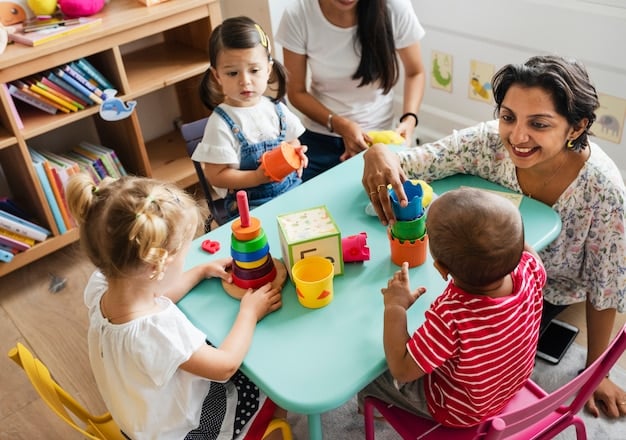 Hearts and Minds: How the CDA Birth-to-5 Credential Builds Social & Emotional Growth
