Lesson Planning in Your Infant and Toddler Classroom: A Guide for Success
Lesson planning for infants and #toddlers can be both exciting and challenging. At this stage of #development, young children are rapidly growing and learning about the world around them, and your role as an #educator is crucial in guiding that development. Consider professional learning such as Early Learning with Infants and Toddlers  Buy Now $24.00 or Playing with a Purpose: Infant/Toddler Lesson Planning Buy Now $24.00 to get practical, classroom-ready ideas.
While infants and toddlers may not engage in structured lessons the way older children do, planning is still essential. Thoughtful, responsive activities that cater to their #developmental needs create a strong foundation for future learning.
Here are some strategies to help you with lesson planning in your infant and toddler #classroom, along with resources that can deepen your understanding and enhance your teaching practices.
How can I focus on sensory exploration for infants and toddlers?
For infants and toddlers, learning is primarily #sensory. They explore the world through sight, sound, touch, taste, and smell, so your #lesson-plans should prioritize sensory-rich experiences. Incorporate activities like playing with textured materials, listening to soft music, or using brightly colored toys that encourage visual tracking. See our article Why Does Sensory Play Matter and How Can My Child Care Program Start? for activity ideas. For adaptable, evidence-informed activity plans that support individualization, review the Purdue Early Learning Matters resources (Purdue ELM).
A great resource to help you design activities for infants and toddlers is the Early Learning with Infants and Toddlers Buy Now $24.00 course. This course provides comprehensive insights on how to create a rich learning environment that fosters sensory exploration while supporting the social, emotional, and cognitive development of young children.
How can I incorporate routine-based learning into the day?
Infants and toddlers thrive on routine, so incorporating elements of the daily routine into lesson planning can be incredibly beneficial. Activities like song time, diapering routines, and snack time are all learning opportunities. By using familiar routines as learning experiences, you help children feel secure and supported, which builds their confidence and trust in the #classroom-environment. For concrete, downloadable examples you can adapt to your schedule, see Free Infant Lesson Plans for Daycare and Early Learning.
Simple but purposeful activities—such as stacking blocks during playtime or looking at #books together—can be integrated into your routines to stimulate #language-development and motor skills. Even feeding or napping routines provide opportunities for bonding and learning.
How can I support social-emotional development in infants and toddlers?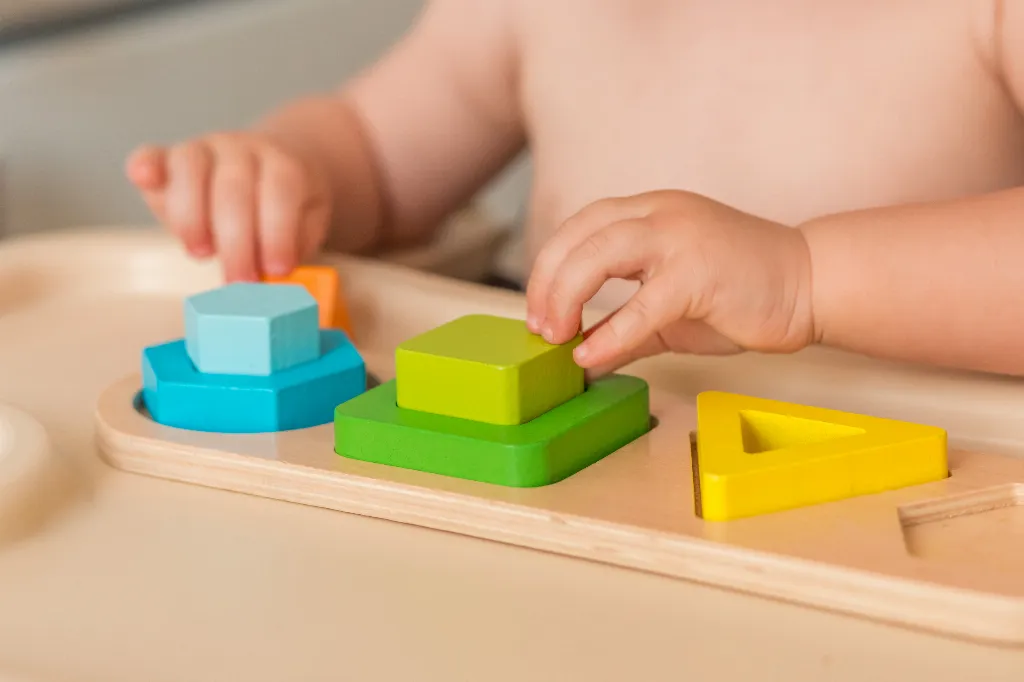
While lesson planning for infants and toddlers is more focused on sensory and motor development, social-emotional #growth is equally important. At this age, children are beginning to develop attachments and understand emotional cues. It’s essential to plan activities that help children build social-emotional skills like sharing, turn-taking, and recognizing emotions. For behavior-focused toddler strategies and playful approaches to common challenging moments, see Terrible Two's Can Be Terribly Fun!
Incorporating social-emotional learning into your daily activities, such as reading books that explore feelings or modeling calming techniques during moments of frustration, will support emotional growth. For additional ideas and insights on social-emotional support for young children, check out our article Building Hearts and Minds: Social-Emotional Support.
How should I plan for movement and motor skill development?
Physical activity is vital for infants and toddlers. Incorporate a variety of motor skill activities into your lesson plans. From tummy time for infants to walking, climbing, and balancing activities for toddlers, providing opportunities for movement helps develop both fine and #gross-motor skills. You can also integrate early STEM and exploratory movement experiences; see STEAM Learning in the Early Childhood Education Classroom for ideas that combine movement and inquiry.
In your lesson plans, include activities that encourage reaching, crawling, walking, and stacking—simple activities that allow babies and toddlers to explore their growing abilities. Providing ample space for these activities, both indoors and #outdoors, is essential for #healthy physical development.
How do I include opportunities for language development every day?
Language development is one of the most exciting areas of growth for infants and toddlers. Incorporating books, songs, and one-on-one conversations into your lessons can boost #language-skills significantly. For infants, talking to them during routine activities—describing what you’re doing or what they’re experiencing—helps expose them to new vocabulary. The CDC recommends shared reading, singing, and pretend play to support language and communication in toddlers (CDC).
For toddlers, consider more interactive language activities like nursery rhymes, simple picture books, or even using sign language to promote #early communication skills. Your lesson planning should include these language-enriching activities every day.
How can I engage families in the learning process?
Engaging families in lesson planning can enhance the learning process. You can send #home simple activity ideas, provide resources for #parents, and even involve them in certain #classroom-activities. Collaborating with families ensures consistency and supports a child’s learning both at school and at home.
What are the key takeaways and how should I reflect and adjust my lesson plans?
What matters most is that lesson planning for infants and toddlers remains responsive, observable, and collaborative. Start each week with a short review of child observations and notes from routines (diapering, feeding, free play) and use those observations to set one or two small, measurable goals for each child—examples: offering more opportunities for reaching/grasping, increasing a child’s turn-taking opportunities during small-group play, or adding an extra daily read-aloud focused on a target vocabulary set. Share those goals with families in simple, actionable language and invite a quick home activity to extend learning. Use brief, focused cycles of observation—plan, try, observe, adjust—and document small changes so you can see progress over time. Individualization means small, concrete adaptations: modifying materials, changing adult support levels, varying timing or space, or repeating an activity more often for a child who needs practice. For practical tools to adapt activities and curriculum pacing, the Purdue Early Learning Matters materials provide adaptable activity plans and staff tools; and the CDC offers family-facing strategies for language, play, and behavior (Purdue ELM; CDC). Finally, consider targeted professional learning to strengthen your planning practice—courses such as CDA Infants/Toddlers: Lesson Planning Made Easy Buy Now $24.00 or Early Learning with Infants and Toddlers Buy Now $24.00 offer applied strategies and sample plans you can adapt. Small changes, consistent reflection, and family partnership create a stronger learning foundation for each child.
By implementing these strategies, you’ll create a nurturing and educational environment that supports the unique developmental needs of infants and toddlers. As you continue to grow in your #career as an #early-childhood-educator, consider furthering your professional development by earning your Child Development Associate (CDA) with CDACertification.com. This credential can enhance your knowledge, skills, and qualifications in #early-childhood-education. For targeted lesson-planning practice, consider ChildCareEd's CDA Infants/Toddlers: Lesson Planning Made Easy Buy Now $24.00.
Additionally, if you're eager to expand your knowledge and gain more hands-on tools for #early-learning, the Early Learning with Infants and Toddlers Buy Now $24.00 course is a great place to start. It offers a deep dive into the foundational practices that support infant and toddler development. For quick, free planning resources and sample lesson templates, see Free Infant Lesson Plans for Daycare and Early Learning, and for milestone guidance, consult How Child Care Providers Can Understand and Use Developmental Milestones from Birth to Age Eight?. You can also access free childcare training and outdoor activity ideas that promote holistic development and classroom-ready strategies at Free Childcare Training.
Happy teaching, and thank you for making such a difference in the lives of young learners!
