Supporting Social-Emotional Development in Preschoolers
Social-emotional development is a central area of growth for preschool-aged children. As early-childhood educators, fostering a healthy social-emotional foundation supports later academic success and positive peer relationships. For practical, classroom-ready training, consider ChildCareEd's Brighter Futures: Social Emotional Development  Buy Now $16.00 and From Tantrums to Triumphs: Equipping Preschoolers with Self-Regulation Skills Buy Now $25.00. Below we outline evidence-informed strategies, assessment approaches, and activities you can adapt immediately to support preschoolers' emotion vocabulary, self-regulation, empathy, and peer skills.
Why is social-emotional development important for preschoolers?
Social-emotional skills—recognizing emotions, forming relationships, and regulating behavior—are as important as early academic skills. Children who develop these capacities manage stress better, communicate more effectively, and handle social challenges more successfully. For ways to connect training to classroom practice, see How the CDA Helps Preschools Succeed.
Supporting social-emotional development helps children:
- Build positive relationships with peers and adults
- Develop #empathy by understanding others’ emotions
- Learn self-regulation and control impulses
- Enhance problem-solving skills in social situations
- Boost self-confidence and resilience
What strategies help support social-emotional development in preschoolers?
-
Model Positive Emotions and Behavior. As an educator, you are a role model for your #students. Children watch and imitate adults, so it's essential to model how to #express feelings appropriately. Express your own emotions openly, use calming strategies when you're feeling upset, and show empathy when others experience challenges. This gives children a #safe space to learn emotional expression.
-
Create a Supportive Environment: Preschoolers need a safe, structured environment where they can explore their emotions. Design your classroom with cozy areas for relaxation, provide opportunities for cooperative #play, and ensure that your students feel heard and respected. When children feel emotionally safe, they are more likely to engage and develop healthy social relationships.
-
Teach Emotional Vocabulary: Many preschoolers may not yet have the words to express their feelings. By teaching a broad emotional vocabulary, you help children identify and label their emotions. Use #books, songs, and activities that focus on emotions, and encourage children to express how they feel through words, art, or role play.
-
Encourage Empathy Through Group Activities: Activities that require teamwork and collaboration can foster empathy and social awareness. Encourage group play that focuses on sharing, taking turns, and helping each other. Additionally, reinforce the idea that everyone’s feelings matter by addressing conflicts calmly and teaching children how to resolve disagreements respectfully. For classroom strategies that explicitly teach empathy and peaceful conflict resolution through child-led practices, see Teaching Empathy and Conflict Resolution the Montessori Way.
-
Set Clear Expectations and Consistent Boundaries: Children need clear expectations and consis
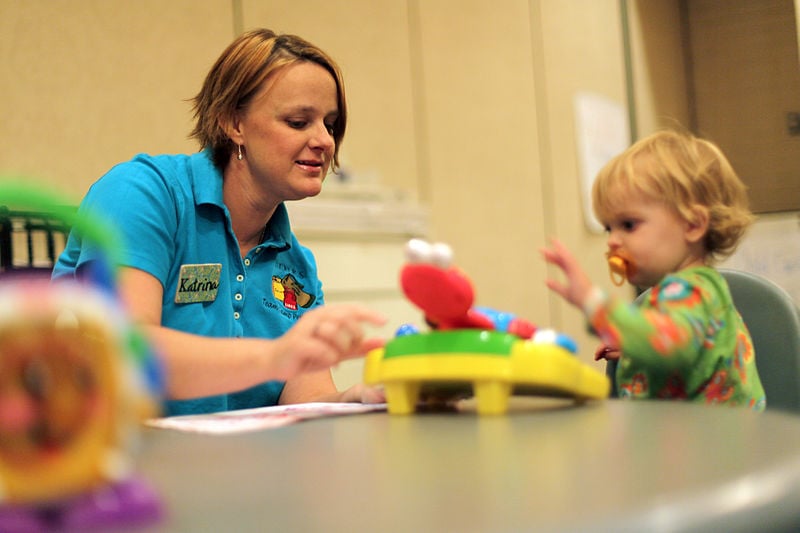 tent boundaries to feel secure. Setting these guidelines helps them understand what is acceptable and what isn’t. Praise positive social behaviors like kindness, sharing, and cooperation, while gently correcting undesirable behavior with clear explanations.
 -
Introduce Social-Emotional Learning (SEL) Programs: Implementing a structured social-emotional learning (SEL) program can significantly benefit preschoolers. These programs teach children skills like emotional regulation, conflict resolution, and building relationships. Integrating SEL into the daily routine gives children the tools they need to navigate the complexities of social interactions.
What training and resources can help educators support social-emotional development?
Ongoing professional learning and targeted resources help teachers translate developmental science into daily practice. Below are practical assessment strategies, program-level approaches, and links to ChildCareEd courses and articles that can support implementation.
How to assess and track social-emotional progress in your classroom
Assessment of social-emotional development should be authentic, frequent, and integrated into routine caregiving and play. Use brief, observation-based checklists that map to age-appropriate skills (emotion recognition, turn-taking, calming strategies, cooperative play). Document two or three exemplars per child each week: a short observational note, a photo of an interaction, or a child’s brief audio description of how they solved a conflict. Over time those exemplars become an evidence base for growth and for planning targeted supports.
Use tiered supports: universal strategies (classroom routines, emotion coaching), targeted interventions (small-group lessons on sharing, role-play), and intensive individualized supports (behavior plans with family input). Pair SEL routines with play-based learning; for ideas see Hungry for Play: The Power of Play-Based Learning in Early Education. For practical strategies on incorporating playful, child-led activities that increase engagement while scaffolding social-emotional skills, see A Path to Engaged Learning: Play!. If you are aligning to CDA competencies, resources such as The CDA and Helping Children Thrive and How the CDA Helps Preschools Succeed explain connections between training and classroom indicators.
Tools and frequency: conduct short (5–10 minute) observational cycles for each child every 2–4 weeks and maintain a simple tracking sheet that flags skills to teach next. Share findings with families through brief, strength-focused notes that include one next-step suggestion. For professional learning tied to assessment and practice, consider the ChildCareEd CDA Subject Area 3 Buy Now $80.00 course (supporting children's social and emotional development).
Integrate reflective practice: schedule monthly staff discussions to review anonymized examples and plan classroom-level adjustments; see Teaching with Purpose for facilitation tips. For program-level evidence that continuing education changes outcomes, consult Can Continuing Education in North Dakota Directly Impact Child Outcomes? and the sector-perspective piece Empowering Early Childhood Education: NYAEYC.
Finally, build SEL into daily routines with brief, scaffolded activities (emotion matching games, calming corners, brief role-play). For activity-focused curriculum ideas that promote expression and self-esteem see From Dream to Classroom and the course Open Heart, Open Art Buy Now $16.00, which links art practice to social-emotional growth. These assessment and curriculum pairings will help you track progress and keep practice focused and measurable.
Supporting the social-emotional development of young children requires ongoing education and professional development. At cdacertification.com, we offer a variety of training programs that can help you deepen your understanding of #early-childhood development and provide effective strategies for nurturing social-emotional skills in preschoolers.
What are the key takeaways for classroom practice?
Summary: Prioritize predictable routines, explicit emotion vocabulary, and brief, regular assessment to help preschoolers build self-regulation and empathy. Start with these three steps: 1) Teach and model emotion words daily; 2) Use brief observational cycles and share one strength-and-next-step note with families each week; 3) Implement a consistent calming area and practice one self-regulation routine (deep breaths, counting, or a sensory activity) each day. Professional learning such as Brighter Futures Buy Now $16.00 or targeted modules like CDA Subject Area 3 Buy Now $80.00 can help you design lessons and assessments that match these steps.
Connect with colleagues, review examples regularly, and align classroom goals with your program's values to embed SEL across the day. For more resources and courses, visit ChildCareEd's training catalog and join our online community on Instagram, Pinterest, Facebook, and TikTok to exchange ideas and classroom examples.
