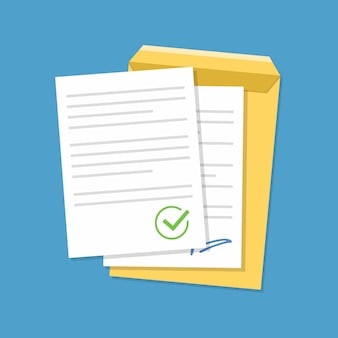
📁Binders, Brilliance & Bright Ideas: What Is a CDA Portfolio, Anyway?
If you’re working toward your Child Development Associate (CDA) credential, you've probably heard people talk about the “CDA Portfolio.” But what exactly is it—and why is it such a big deal? You can begin with our free CDA Introduction  Buy Now $0.00 course or enroll in our CDA Preschool Credential Buy Now
 $500.00$400.00 course to understand the credentialing steps before you build your binder.
Whether you're just starting your CDA journey or knee-deep in tab dividers and learning statements, this guide will break it all down—with tips, tools, and templates to help you succeed.
📦 What Is a CDA Portfolio?
The CDA Professional Portfolio Buy Now $0.00 is a collection of materials that showcase your knowledge, experience, and philosophy as an #early-childhood- #educator. It’s required for the CDA Credential application and is reviewed during your Verification Visit by a CDA Professional Development (PD) Specialist.
Think of it as your professional scrapbook meets teaching resume—except it’s organized, reflective, and incredibly important.
Curious how to put it all together?
👉 Read: Organizing the CDA Professional Portfolio
🧩 What Does the CDA Portfolio Include?
Your portfolio will contain items that demonstrate your understanding of the six CDA Competency Standards. Some of the key components include:
-
Six Reflective Statements of Competence
-
Ten Resource Items (like sample #menus, #lesson-plans, and #safety checklists)
-
Family Questionnaires (feedback from families you've worked with)
-
Your Professional Philosophy Statement
All of these pieces are personalized based on your CDA setting: Preschool, Infant/Toddler, Family Child Care, or Home Visitor.
🧠 Why Is the CDA Portfolio So Important and How Do Assessors Evaluate It?
It’s not just busywork. The CDA Portfolio gives assessors a comprehensive view of who you are as a professional—how you plan, how you reflect, how you interact with children and families.
It shows that you're:
-
Knowledgeable about child #development
-
Able to create safe and engaging learning environments
-
Committed to continuous improvement
-
Ready to meet national standards in #early-childhood-education
The CDA portfolio is evaluated against the CDA Competency Standards and verified in a face-to-face or virtual Verification Visit by an accredited CDA Professional Development Specialist. Assessors look for evidence that your reflective competency statements and resource items are authentic, linked to specific teaching practices, and demonstrate measurable impact on children’s learning and family engagement. During the verification process the specialist will observe your interaction with children, review sampled artifacts, and engage you in dialogue to corroborate the documentation in your portfolio. This evaluation is grounded in the Council’s subject areas and—per state implementations of the CDA process—typically accompanies the submission of a completed portfolio and proof of required formal training and experience. State guidance and enacted law describe the portfolio, Verification Visit, and required training and work experience that often accompany credentialing.
For a practical primer on the overall CDA process, see Ready, Set, Grow! Everything You Need to Know Before Earning CDA, which outlines the verification visit and how the portfolio supports assessor scoring.
🛠️ How and Where Can You Get Help Organizing and Training for Your CDA Portfolio?
Don’t worry—we’ve got your back!
We created a beautiful, user-friendly template to help you get started:
👉 CDA Portfolio Binder Cover Sheet and Tabs Template (Daisy – All Ages) Buy Now $0.00
This downloadable resource includes everything you need to set up your binder and impress your CDA PD Specialist.
❌ What are common CDA portfolio mistakes and how do I avoid them?
Many candidates lose points for issues that are preventable. The most frequent problems are: unclear or unfocused reflective competency statements, artifacts that aren’t explicitly tied to a statement, missing or incomplete family questionnaires, and poor organization that makes verification slow. Avoid these by cross-referencing each artifact (resource item, lesson plan, menu, assessment sample) to the specific reflective statement it supports; label every sample with date, age group, and learning objective; and include a table-of-contents that maps artifacts to the six Competency Standards. When preparing family questionnaires, anonymize responses but preserve context (age, setting) so assessors can interpret the feedback. If possible, request a peer or PD Specialist review before submission to catch ambiguous wording and to confirm that your evidence shows outcomes rather than intent.
For practical tips on pacing your work and avoiding resubmissions, read Essential Tips Before Earning Your CDA Credential.
The best way to prepare your portfolio is by enrolling in a CDA training course that walks you through the entire process. If you want an overview of timing and prerequisites, see When Is the Right Time to Earn Your CDA and review Essential Tips Before Earning Your CDA Credential for planning and timeline advice.
cdacertification.com offers self-paced, online CDA training for all settings:
-
CDA Home Visitor Training
These courses provide the 120 hours of formal education required for the credential, guidance for your portfolio, and support throughout your CDA journey. Note that state implementations and the Council’s process require documentation of training and qualifying work hours; for one example of statutory language describing training, portfolio preparation, and Verification Visit expectations, see the enacted guidance linked here: SL 2023-87 (SB 722).
Follow ChildCareEd.com on social media! You'll get:
For related site content, see: Why do I need a CDA Credential?, The CDA and Child Care Industry, and Earning Your CDA in California for regional guidance and professional context. If you work in California, review our "Earning Your CDA in California" article for state-specific licensing, portfolio preparation timelines, and links to the California agencies that implement CDA verification and related guidance.
-
Weekly teaching tips and activity ideas
-
Portfolio-building resources
-
Answers to common CDA questions
-
Encouragement from fellow #early-childhood- #educators
Your CDA Portfolio is more than a binder—it's a reflection of your hard work, passion, and dedication to #early-childhood education.
🔚 Summary: What should I remember about building a CDA portfolio?
Assemble evidence that directly links practice to learning outcomes, organize it so a Verification Visit specialist can access examples quickly, and document both your formal training (120 hours) and qualifying work experience. Use templates and a pre-verification review to reduce resubmissions. Begin with an orientation or introductory course if you are unsure of next steps, and consult regional Child Care Resource Agencies for advising and possible cohort programs. State child-care offices and resource agencies frequently provide portfolio advising, cohort opportunities, and renewal information that can simplify your path to the CDA.
👉 Start your CDA training today Buy Now $500.00$400.00
With the right guidance and tools, you'll be CDA-ready in no time!
- Birth to Five CDA Credential with Portfolio Review
- CDA Bridge Bundle: Preschool
- CDA Bridge Bundle: Family Child Care
- CDA Bridge Bundle: Family Child Care without Portfolio Review
- CDA Bridge Bundle: Infant/Toddler without Portfolio Review
- CDA Bridge Bundle: Preschool without Portfolio Review
- CDA Bridge Bundle: Infant/Toddler
