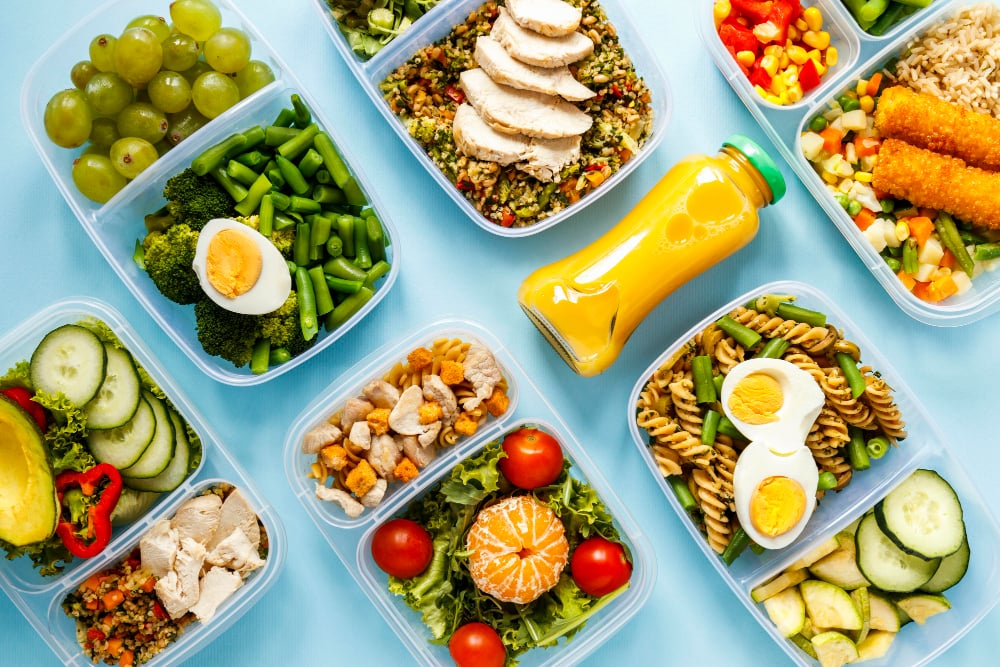
 Nutrition is a foundational determinant of early childhood health, behavior, and cognitive development. Child care programs can intentionally shape dietary patterns by providing snacks that reconcile nutrient density, sensory appeal, and fiscal constraints. Thoughtful menu design, safe storage and handling, and clear program policies ensure that snacks support growth, learning, and equity. #nutrition ChildCareEd staff trainings—Nutrition Essentials for Child Care Providers
  Buy Now $16.00 and Healthy Starts: Safety, Nutrition, and Wellness in Child Care Buy Now $55.00—offer practical guidance on menu planning, allergen management, and operational policy implementation.
Why Healthy Snacks Matter
Healthy snacks contribute to:
- Improved focus and learning: Nutrient-rich foods provide the energy needed for active learning and play.
- Healthy #growth: Snacks packed with essential vitamins and minerals support physical and cognitive development.
- Building lifelong habits: Early exposure to #healthy foods fosters positive eating habits.
Providing nutritious snacks not only benefits children but also supports parents by alleviating concerns about their child’s diet. For family engagement approaches and communication templates, see Eat, Play, Grow: Essential Nutritional Tips for Growing Minds.
Best Practices for Providing Healthy and Affordable Snacks
Below are actionable strategies for creating a cost-effective and nutritious snack #menu in your child care facility:
How can I plan and prepare nutritious, appealing, and affordable snacks?
Establishing a routine procurement and preparation cycle—weekly or monthly—reduces cost, minimizes waste, and facilitates consistent portioning. Effective plans combine dietary variety (fruits, vegetables, whole grains, lean proteins), seasonality to optimize price and quality, and simple preparatory techniques that increase appeal for young children. Preparing snacks in-house is often the most economical approach and allows programs to control ingredients and portion sizes.
- Menu composition: Rotate fruits, vegetables, whole grains, and proteins so children receive varied nutrients and sensory experiences.
- Seasonal sourcing: Use seasonal produce or partner with local co-ops to obtain fresher items at lower cost.
- Child-friendly preparation: Use straightforward, appealing formats—fruit skewers, veggie cups with hummus, or small portions of trail mix using seeds and whole-grain cereal (omit tree nuts when required for allergy safety).
- Operational tip: Batch prep and standardize portions to save staff time and support consistent servings across age groups. Consider the On My Plate: Children's Nutrition Buy Now $24.00 training for practical menu-planning tools.
How can bulk purchasing reduce costs without compromising quality?
Purchasing ingredients in bulk can lower costs. Items like oats, rice cakes, and yogurt can be used for multiple snack options. Partner with local farms or co-ops for fresh produce at reduced prices.
How can snack routines promote development while ensuring allergy-safe inclusion?
Integrating children into supervised snack preparation advances multiple developmental domains—fine motor competence, experiential learning about food, and openness to novel tastes—while also reinforcing programmatic norms about hygiene and portioning. Concurrently, routines must operationalize allergy safety and family preferences so participation never compromises inclusion or safety.
- Developmental benefits: Age-appropriate tasks (pouring, assembling, arranging) support motor skills and decision-making and increase the likelihood children will sample new foods.
- Allergy and family communication: Maintain up-to-date allergy rosters, obtain signed emergency action plans for anaphylaxis risk, and consult families about dietary restrictions before inviting participation.
- Inclusive practice: Offer alternative, allergen-free options and clear labeling; designate an allergy-safe preparation area and a staff monitor to enforce handwashing and cross-contact prevention.
Resource Tip: Check out the Guide for Allergies and Asthma in ChildCare resource for detailed guidance.
How do I create a written snack policy that sets expectations and ensures safety?
A concise, written snack policy aligns staff practice and family expectations. A robust policy should specify service times, portion guidance by age group, approved and prohibited items, procedures for documenting and accommodating allergies, handwashing and utensil protocols, and how meals/snacks will be stored, labeled, and refrigerated. Include obligations for family notification and consent, a process for communicating substitutions, and the staff training requirements necessary to implement the policy. When possible, tie policy elements to local licensing or federal program guidance (for example, standards used by CACFP) and designate a staff member responsible for monitoring compliance and recordkeeping. Maintain a simple allergen log and an easily accessible roster of children with dietary restrictions; require signed allergy and emergency action plan forms for children with known anaphylactic risk. For sample policy language and templates, see How to Create a Healthy Snack Policy for Daycare.
How can programs plan and budget for sustainable snack service?
Sustainable snack service requires programmatic budgeting, procurement planning, and periodic evaluation. Track per-child snack costs weekly for one month to establish a baseline, then model scenarios (seasonal produce vs. shelf-stable items). Identify recurrent line items (e.g., milk, yogurt, bread) and non-recurrent (special celebrations). Consolidate purchasing by batching prep and using bulk packaging for shelf-stable ingredients; estimate shrink/waste and include a small contingency. Explore partnerships with local farmers, food co-ops, or food banks to reduce produce costs, and consider sliding-fee plans or parent-donation models only where permissible by local regulations. Document procurement policies and maintain receipts and inventory logs to support budgeting and any subsidy program enrollment. Periodically solicit family input and use simple consumption audits to adjust menus for acceptance and cost-effectiveness.
Examples of Healthy and Cost-Effective Snacks
Here are some nutritious and budget-friendly snack ideas: For additional recipes, sample menus, and portion guidance, see Snack Ideas for Daycare: Healthy Options Children Will Enjoy.
- Fresh Produce:
- Apple slices with sunflower seed butter.
- Banana halves sprinkled with granola.
- Cucumber slices with cream cheese.
- Whole Grains:
- Mini whole-grain muffins.
- Rice cakes with avocado spread.
- Whole-grain crackers with cheese.
- Proteins:
- Hard-boiled eggs.
- Low-fat yogurt with fresh fruit.
- Black bean dip with veggie sticks.
Inspiration: Find more ideas on ChildCareEd’s Pinterest page and review program-level guidance in Kickstart a Healthy Routine for Kids That Actually Sticks.
Building a Positive Mealtime Environment
The way snacks are presented and served can impact children’s attitudes toward food. Follow these tips to create a positive mealtime environment:
- Encourage self-serving: Allow children to serve themselves with guidance to promote independence.
- Model healthy-eating: Teachers can eat alongside children to encourage trying new foods. See research-based routines and curriculum ideas in How can preschool programs build healthy eating habits for young children?.
- Make it fun: Use colorful plates or arrange snacks in creative shapes.
Social Media Inspiration: Watch tips and ideas on ChildCareEd’s TikTok channel.
Overcoming Challenges
Providing healthy snacks may come with challenges, but solutions are available:
- Picky eaters: Offer a variety of choices and avoid pressuring children to eat. For recipes and tactics designed for selective eaters, see Healthy Cooking for Picky Kids.
- Budget constraints: Focus on low-cost staples like beans, oats, and seasonal produce.
- Time limitations: Prepare snacks in bulk and #freeze portions for busy days.
Article Reference: Read more about overcoming mealtime challenges in ChildCareEd’s Pizza or Kale Chips? Kid-Friendly Nutrition Tips to Start the Year Right article.
What are the next steps to implement healthy, cost-effective snacks?
Implementing a sustainable, child-centered snack program requires written policy, designated staff responsibility, structured procurement cycles, and cyclical evaluation. Begin by formalizing a concise snack policy; allocate regular time for menu planning; appoint a staff lead accountable for purchasing, inventory, and allergy oversight; and enroll staff in targeted professional development such as Nutrition Essentials Buy Now $16.00 or Healthy Starts Buy Now $55.00. Pilot menu revisions using brief consumption audits to validate acceptance and cost assumptions, communicate weekly snack notices to families, and review budget and acceptance metrics quarterly to refine procurement and portioning.
Summary: Key Takeaways
Nutritious, cost-effective snack service is achievable through intentional planning, clear policy, staff capacity-building, and ongoing evaluation. Prioritize nutrient-dense, seasonally sourced items; standardize preparation and portioning; adopt inclusive allergen protocols; and leverage partnerships or bulk procurement to contain costs. Training staff in menu design and safety, monitoring consumption, and maintaining transparent family communication turn snack time into an integrated part of your program's health and curriculum objectives.
For more training and resources, visit ChildCareEd or CDA Certification. Stay inspired by following ChildCareEd on Instagram or Facebook. Let’s make healthy eating an enjoyable and integral part of every child’s day!
