Mastering Preschool Classroom Management: Tips for Success!
Effective classroom management in a preschool setting underpins a productive learning environment where young children develop social, emotional, and cognitive competencies. Because these competencies emerge gradually, educators should deploy consistent, relationship-based strategies that structure the day, scaffold self-regulation, and explicitly teach social–emotional skills. For practical professional development that translates these principles into daily practice, consider ChildCareEd courses such as Viewing Guidance in a Positive Light  Buy Now $24.00 and Every Moment Matters: Schedules and Transitions Buy Now $55.00. Topics emphasised below include #classroom #preschool #growth #educator #students.
How do I set clear expectations from the start?
Preschool children may be unfamiliar with structured environments, so it's important to set clear, simple rules. Use positive #language, like "We use our words to #express feelings" instead of saying "No yelling." Reinforce these expectations regularly, and be consistent in how you respond to behavior.
How do I create a structured routine that supports behavior?
Young children thrive on routine. When they know what to expect each day, they feel secure and are better able to focus on learning. Establish a daily schedule that includes time for group activities, individual learning, snack time, and #outdoor- #play. Visual schedules can be especially helpful, as they provide a visual reminder of what’s coming next.
How do I manage classroom behavior for three-year-olds?
Three-year-olds are strengthening self-regulation and language; effective management matches expectations to those developmental capacities. Use brief, concrete rules and pair directions with a gesture or a visual cue. Keep transitions short and predictable, offer limited choices to support autonomy (for example, "Do you want the red cup or the blue cup?"), and scaffold conflict resolution with simple scripts that children can learn. Structure the room with clearly defined centers and small-group options to reduce overstimulation. These targeted adaptations help reduce frustration and build independence. For practical room arrangement ideas that support these strategies, see our article How can I organize an effective preschool classroom?.
How can I foster positive relationships with preschool children?
Building strong relationships with your students creates a #classroom-environment where children feel #safe and respected. Take time to get to know each child’s unique needs, interests, and emotional state. Encourage kindness, #empathy, and cooperation, and model these behaviors through your actions and words.
Which engaging activities reduce disruptive behavior?
Engaging activities keep children actively involved in learning and prevent disruptive behavior. Hands-on learning experiences like #sensory-play, arts and #crafts, or interactive storytelling are perfect for capturing the attention of #preschoolers. Seasonal science and art projects, such as caterpillar and butterfly activities, combine sensory play, emergent science, and creative expression to engage children and support self-regulation. You can find more ideas on designing meaningful literacy activities by reading our article Designing Activities to Support Literacy Development in the Early Childhood Classroom. For practical classroom setup and activity lists that support engagement, see How can I organize an effective preschool classroom? and Spark Their Love for Learning: Tips for Exciting Young Minds in the Classroom!.
How and when should I use positive reinforcement?
Acknowledge and praise appropriate behaviors to reinforce them. Offering positive reinforcement, such as verbal praise or small rewards, motivates children to follow the rules and participate in #classroom-activities. Focus on specific behaviors (e.g., "I love how you shared that toy with your friend!") to ensure children understand what behavior is being praised.
How can I collaborate with children to improve behavior?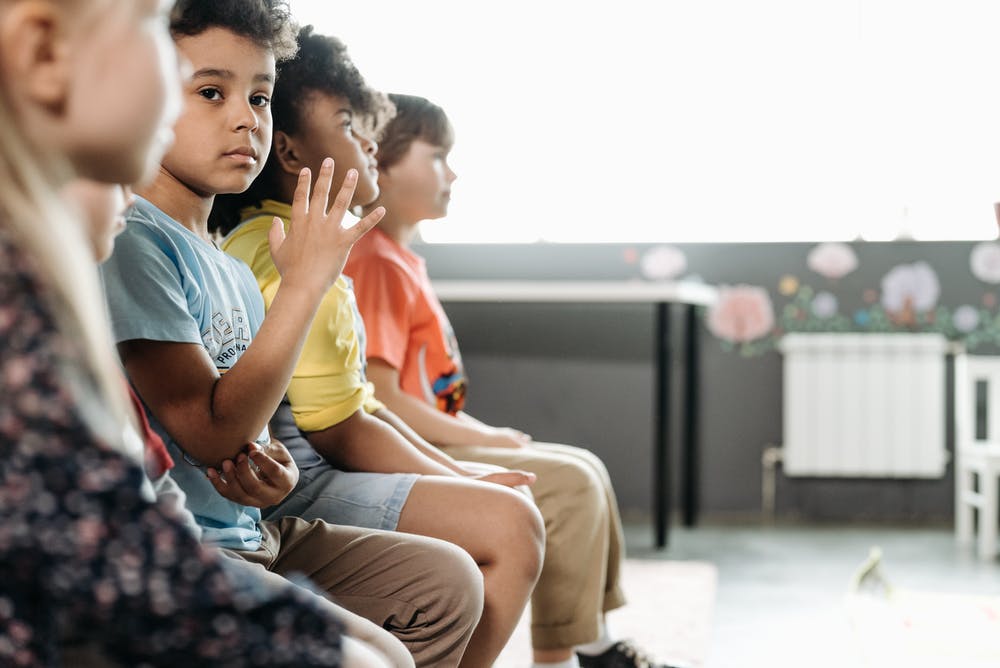
An often-overlooked aspect of classroom management is collaboration with your students. Encourage them to be part of the process by helping set rules and establishing routines. This collaborative approach helps children take ownership of their behavior and builds their social skills.
For a deeper understanding of how collaboration in the classroom can improve your classroom management, consider taking the Classroom Management is Collaboration Buy Now $16.00 course. This course provides a deeper dive into how teamwork between #educators and students can create an environment of respect and growth.
Which trainings help teachers manage challenging behavior?
Targeted training can give teachers practical tools for common behavior challenges. Consider courses that focus on positive guidance and behavior analysis; for example, Mysteries of Challenging Behavior Solved Buy Now $24.00$18.00 offers strategies for understanding and responding to challenging patterns, while the previously mentioned Viewing Guidance in a Positive Light Buy Now $24.00 supports building a positive guidance plan. Course acceptance for regulatory credit varies by state and registry; confirm eligibility with your licensing specialist before assuming a course satisfies a requirement. For hands-on strategies focused specifically on persistent, challenging behaviors, consider the course Going Head-to-Head with Challenging Behavior, which provides targeted techniques and classroom examples.
When should I use movement breaks and what works best?
Preschoolers have a lot of energy, and they need regular movement breaks to stay focused. Activities like dancing, stretching, or short outdoor play sessions can help children release pent-up energy and refocus on the next task.
How can visual cues support routines and behavior?
Young children respond well to visual cues. Incorporate visual elements like charts, pictures, and labels to help reinforce classroom rules, routines, and expectations. Visual cues are especially helpful for children with varying levels of #language- #development, ensuring they understand the structure of the day.
How do I stay flexible and patient when behavior is unpredictable?
Children may have days when they feel out of sorts, and behavior can sometimes become unpredictable. Flexibility and patience are key. By staying calm and adapting to the needs of your students, you create a supportive atmosphere where children feel safe to express themselves and learn at their own pace.
How can colleagues and families collaborate to support classroom management?
Classroom management doesn’t happen in isolation. Work with your colleagues to share ideas and strategies for creating a positive classroom environment. Additionally, maintaining open communication with families ensures that everyone is on the same page regarding the child’s needs and progress. For guidance on program-wide approaches and staff support, see Managing an Early Childhood Classroom with Confidence and our article Preventing Burnout: Essential Tips for Thriving in Early Childhood Education (both provide practical team and self-care strategies that support consistent implementation).
What are the key takeaways for preschool classroom management?
Use this concise checklist to guide classroom practice:
- Set brief, developmentally appropriate expectations and teach them explicitly.
- Establish predictable routines and clear visual supports to reduce uncertainty and support regulation.
- Teach and model social-emotional competencies; scaffold practice during real interactions.
- Prioritize proactive, relationship-based strategies rather than punitive responses.
Continue professional learning with the targeted courses and relevant articles linked above, and verify any regulatory training requirements with your state or registry. For short demonstration videos and classroom-ready strategies, follow us on TikTok.
If you're ready to dive deeper into improving your classroom management, be sure to explore the Classroom Management is Collaboration Buy Now $16.00 course. And for more insights on #early-childhood-education, check out our article Designing Activities to Support Literacy Development in the Early Childhood Classroom.
