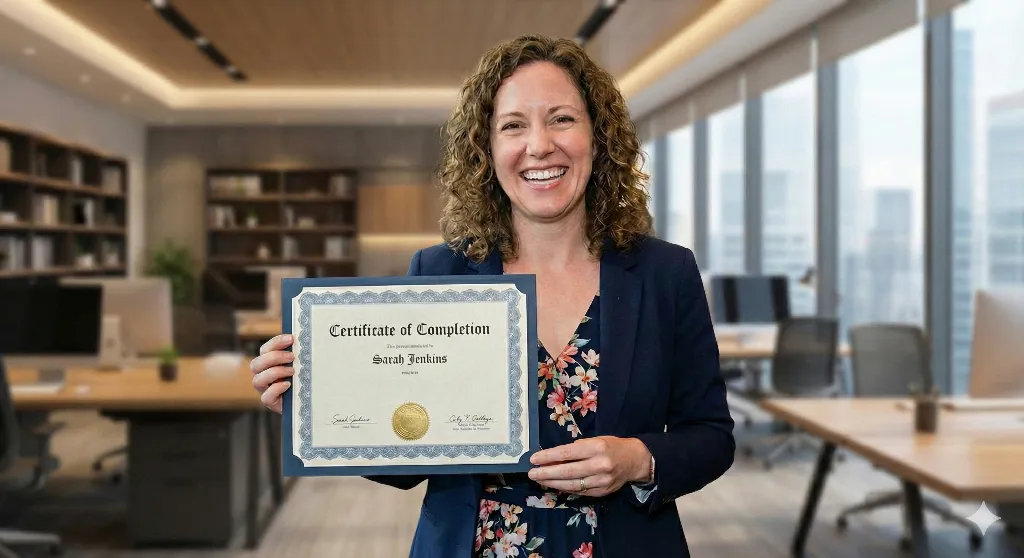
 Earning a Child Development Associate (CDA) credential is a meaningful career milestone for child care professionals. The CDA is a nationally recognized certification that shows you have the knowledge, skills, and dedication needed to provide high-quality care for young children. In Oklahoma, the CDA can open doors to better job opportunities, greater confidence, and stronger #classroom practices.
This article explains what the CDA credential is, how to earn it in Oklahoma, the training and support available, and why it’s worth pursuing.
What Is a CDA Credential?
The Child Development Associate (CDA) credential is awarded by the Council for Professional Recognition, a nationally respected organization. The CDA is based on standards that reflect current research and best practices in #early-childhood-education.
With a CDA, you show you can:
-
Understand children’s #growth-and- #development
-
Create positive and #safe learning environments
-
Build meaningful relationships with children and families
-
Use appropriate teaching methods and guidance strategies
-
Work professionally with colleagues and parents
Because it is nationally recognized, a CDA is valuable in Oklahoma and across the United States.
Benefits of Earning a CDA in Oklahoma
Earning your CDA credential offers many advantages:
-
Career advancement: Many employers prefer or require a CDA for higher roles.
-
Improved quality of care: You strengthen skills that benefit children’s learning.
-
Professional recognition: Demonstrates your commitment to excellence.
-
Better pay: Some programs offer higher wages for CDA-trained #staff.
-
Foundation for further education: A CDA can support future degrees or credentials.
In Oklahoma, the CDA is often included in workforce development systems such as the Oklahoma Professional Development System, which helps providers track credentials and training.
Requirements for CDA Certification
To earn your CDA credential, you must complete several key steps:
1. Complete Required Training Hours
You must complete at least 120 clock hours of formal training in #early-childhood education. These hours must cover essential topics such as:
-
Child #growth-and development
-
Health, #safety, and nutrition
-
Learning environment and curriculum #planning
-
Guidance and behavior support
-
Observation and assessment
Oklahoma providers can use online or in-person training, as long as it's approved by the Council for Professional Recognition.
2. Professional Experience
You are required to have experience working directly with children. Typically:
-
480 hours of work experience in a group setting
-
Or 240 hours if pursuing a Home Visitor CDA
This hands-on experience helps you apply what you’ve learned in real child care environments.
3. Create a Professional Portfolio
A portfolio is your #personal collection of documentation that shows your knowledge and skills. It can include:
-
Lesson #plans and activity samples
-
Photos of your #classroom-environment
-
Observation summaries
-
Family communications
-
Self-evaluations
The portfolio is an important part of the CDA process.
4. Observation and Examination
You must:
-
Be observed working with children by a trained observer
-
Pass the CDA verification visit
-
Successfully complete the CDA exam
These steps ensure you can demonstrate your skills in real settings.
Training Options for CDA in Oklahoma
Training is one of the most important components of the CDA process. There are affordable and flexible training options available for providers in Oklahoma.
Online Training: Flexible and Affordable
Online training lets you complete required hours on your schedule. One trusted provider with state-approved courses is ChildCareEd.
📌 Training Link from ChildCareEd
👉 Find Oklahoma-approved online training here:
ChildCareEd Courses for Child Care Providers in Oklahoma
These courses are designed to support the knowledge areas required for CDA training and can help you accumulate a portion of your required training hours.
What You Can Expect from Online Courses
Online training through ChildCareEd offers:
-
Low-cost, self-paced courses
-
Training on topics like child development, #health-and safety, behavior guidance, and professionalism
-
Easy access from #home or workplace
-
Automatic reporting to many state registries (when you add your Registry ID)
Online training is especially helpful if you work full-time or have family responsibilities, because it allows you to learn when it’s most convenient.
Local and In-Person Training Resources
In addition to online options, Oklahoma offers local training opportunities through:
Child Care Resource & Referral (CCR&R) Agencies
These agencies provide:
-
Free or low-cost training workshops
-
Support with CDA planning
-
Technical assistance and mentoring
-
Connections to community partners
Community Colleges and Early Childhood Programs
Many colleges offer CDA training classes or certificate programs that can support your education with instructor guidance.
Scholarships and Financial Supports
Many Oklahoma providers use scholarships or funding programs to help cover training #costs. Programs may include:
-
Oklahoma Scholars for Excellence in Child Care
Scholarships for training and early childhood coursework. -
Workforce development funds from local agencies
Support for professional development costs. -
Employer tuition assistance or reimbursement programs
Check eligibility criteria and deadlines to make the most of these supports.
Tips for a Successful CDA Journey
Here are helpful tips as you work toward your CDA:
Plan Ahead
Outline your training plan early so you complete hours in a manageable timeframe.
Stay Organized
Save certificates, lesson plans, observations, and portfolio items in one place.
Ask for Mentorship
Connect with experienced providers or mentors who can advise you through the process.
Use Approved Training
Make sure all courses meet CDA standards and are accepted by the Council for Professional Recognition.
Helpful Resources for Oklahoma Providers
Oklahoma providers can take advantage of additional tools and guides to support their CDA journey.
📌 Resource Link from ChildCareEd
👉 Access #free tools and support materials here:
ChildCareEd Free Resources for Providers
These resources include downloadable guides and professional tips to help with training and classroom practices.
Why Ongoing Professional Development Matters
Earning your CDA isn’t just about completing requirements — it’s about growing as an #educator.
👉 For more insight into professional growth, read:
The Importance of Professional Development for Child Care Providers
This article explains how ongoing education enhances your skills, strengthens care quality, and supports your career journey.
Stay Connected
Stay updated on training tips, resources, and CDA support by following ChildCareEd on social media:
- Birth to Five CDA Credential with Portfolio Review
- CDA Family Child Care Credential with Portfolio Review
- CDA Bridge Bundle: Preschool
- CDA Infant/Toddler Credential with Portfolio Review
- CDA Bridge Bundle: Family Child Care without Portfolio Review
- CDA Bridge Bundle: Infant/Toddler without Portfolio Review
- CDA Bridge Bundle: Preschool without Portfolio Review
- CDA Preschool Credential with Portfolio Review
- CDA Bridge Bundle: Infant/Toddler
- NY Providers: Use the CDA Credential to Meet Training Requirements
- Earning Your CDA in California: Start Today!
- Your Guide to Becoming a Preschool Teacher in Alabama
- What Is the CDA Credential and How Can It Help Early Childhood Educators?
- How can Maryland child care providers pay less for their CDA training with scholarships and grants?
