For #early-childhood- #educators, building meaningful relationships with the children they teach is essential for creating a nurturing and effective learning environment. Consider training such as 45 Hour Child Growth and Development Buy Now $399.00 or Working Together: Teachers & Preschoolers  Buy Now $0.00 to deepen your practical skills. These relationships form the foundation for positive child #development, enhancing not only emotional well-being but also social and cognitive #growth. As educators, it’s our responsibility to create an environment that fosters connection, trust, and mutual respect.
One of the most powerful tools for building these relationships is through intentional Teacher/Child interactions. Every conversation, glance, and action within the #classroom is an opportunity to influence and shape the learning experience. By fostering a positive and supportive relationship, #teachers can guide children through critical #developmental-milestones, create a sense of security, and encourage children to explore, take risks, and learn from their mistakes.
Why are Teacher/Child Interactions Important?
Effective Teacher/Child interactions #play a significant role in the school-age classroom. Positive interactions don’t just happen—they require mindfulness, patience, and consistent effort. Educators should take the time to understand each child’s unique needs and characteristics, while also ensuring that the classroom remains a #safe and engaging space for all. For an overview of how relationships influence brain architecture and learning, see How do relationships shape early brain development?
In our article Teacher/Child Interactions in the School-Age Classroom Buy Now $24.00, we explore the value of strong teacher-child interactions and the strategies educators can use to improve these interactions in a school-age setting. By using techniques like active listening, maintaining a calm and supportive demeanor, and encouraging open communication, educators can better connect with their #students. When children feel understood and valued, they are more likely to develop positive social skills, emotional regulation, and a love for learning.
Which strategies help build strong relationships with children?
-
Consistent Communication: Early childhood educators should maintain open lines of communication with their students. This doesn’t just mean speaking to the children—it involves listening actively to what they say and responding appropriately. Be attuned to their emotions, and validate their feelings. Whether it’s through a hug, words of encouragement, or simply paying attention to their interests, these actions speak volumes to young learners.
-
Encourage Positive Behavior: Recognize and praise efforts, not just results. When children are encouraged for their attempts and progress, they learn to embrace challenges and setbacks as part of their journey. Positive reinforcement helps to develop a child’s self-esteem and fosters a growth mindset.
-
Be Present: Your presence in the classroom goes beyond physical proximity. It involves being emotionally and #mentally available for your students. Engaging with them during activities, showing interest in their projects, and asking open-ended questions can help children feel seen and heard, which is vital for building strong, trusting relationships.
-
Create a Safe and Inclusive Environment: For children to feel comfortable, it’s essential that they feel safe and included. Establish clear, consistent rules and routines, but also create an environment where diversity is celebrated, and every child feels they belong. When students feel safe in their classroom, they are more likely to engage in learning and form positive relationships with peers and teachers. Explore our Teach with Respect
Buy Now $24.00 course for concrete strategies to promote inclusion and respectful interactions. For practical strategies to foster peer friendships and cooperative play that support social and emotional development, see the article Better Together: Why Little Friends Make a Big Difference in Early Childhood. -
Be Patient and Flexible: Relationships take time to develop, and each child comes with their own experiences and challenges. Patience is key to nurturing relationships, especially when dealing with behavioral issues or emotional challenges. Sometimes, children need more time to adjust, and it’s important to be flexible in how we approach their learning and development.
How do teacher/child interactions differ in school-age classrooms?
The dynamics of the school-age classroom are different from those of #early-childhood settings, but the need for p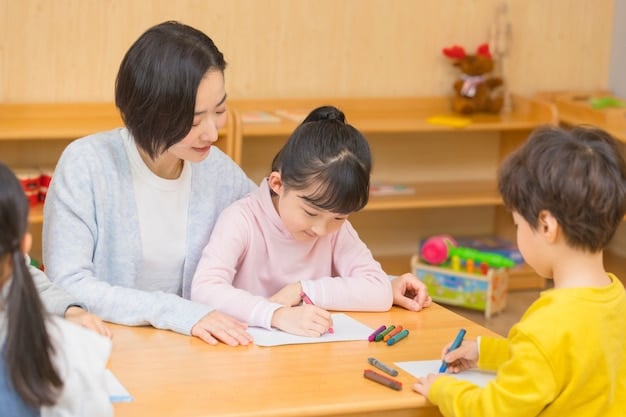 ositive interactions remains just as vital. As children grow and develop, they gain more independence and autonomy, but they still require emotional support and guidance from their educators. The strategies for maintaining positive teacher-child interactions in a school-age classroom can vary, but they always prioritize the importance of understanding each child’s developmental stage.
Our Teacher/Child Interactions in the School-Age Classroom Buy Now $24.00 course offers a deeper dive into how teachers can engage with school-age children, promoting social, emotional, and academic growth. The course emphasizes how to maintain respectful and supportive communication, and how to build relationships that help children thrive in a structured yet fun #classroom-environment.
How can I stay connected and continue my professional learning?
We believe that when #early-childhood-educators are supported, they can provide better care and education for the children they serve. By continuing your professional development and engaging with resources like the ones we offer on CDACertification.com, you are investing in both your own # growth and the well-being of the children you teach. If you are a new educator in Texas, reviewing targeted pre-service training recommendations for new Texas educators can help you establish the core knowledge and competencies needed for effective early care and education.
Be sure to like us on TikTok for more tips, inspiration, and educational content for early childhood professionals. Stay connected with us to get access to the latest courses and articles designed to empower you as an educator.
Which related articles should I read next?
- Supporting Social Relationships Among Young Children
- How do relationships shape early brain development?
- Building Social Foundations
- Building Bridges: The Key to Strong Parent-Teacher Partnerships in Early Childhood
- Building Trust: Strengthening Parent Connections in Early Childhood Education
- The CDA and Helping Children Thrive
What are the key takeaways?
Strong, intentional relationships are the foundation of healthy early learning. When educators are deliberate in their interactions—prioritizing active listening, consistent and respectful communication, predictable routines, and culturally responsive practices—children gain the secure base they need to explore, regulate emotion, and build social competence. Take away four practical actions you can use tomorrow: 1) Observe and note one child’s interest each day and use it to open a brief, child-led conversation; 2) Replace one instance of generalized praise with specific praise that names the effort or strategy the child used; 3) Build a consistent transition routine that reduces stress and supports self-regulation; and 4) Plan one family outreach contact weekly (a quick note, photo, or informal check-in) that strengthens home–school continuity.
Professional learning sustains this work. Use targeted training (for example, the 45 Hour Child Growth and Development course or shorter modules like Working Together: Teachers & Preschoolers) to refresh core concepts and practice-focused strategies. Pair coursework with reflection: after completing a short module, try one new technique for a week, document the outcomes, and discuss them with a colleague or mentor. Finally, prioritize self-care and team coherence—consistently responsive, well-supported staff are better able to provide the sensitive, predictable interactions children need.
By sequencing small, observable changes and pairing them with relevant training and peer reflection, educators steadily strengthen the relationships that drive children’s social, emotional, and cognitive development.
- The CDA and Helping Children Thrive
- Building Strong Bonds: The Key to Early Childhood Success
- Building Trust: Strengthening Parent Connections in Early Childhood Education
- Building Bridges: The Key to Strong Parent-Teacher Partnerships in Early Childhood
- Families First: Strengthening Bonds Through Birth to Five
