Building Bridges: The Key to Strong Parent-Teacher Partnerships in Early Childhood
In the #early years of a child’s #development, strong communication between #parents and #educators is essential. When #teachers-and families work together, children receive the support they need to thrive emotionally, socially, and academically. Practical coursework at ChildCareEd — for example the CDA Preschool Credential  Buy Now $400.00 and the CDA Introduction Buy Now $0.00 — provides concrete, classroom-tested strategies educators can use to strengthen partnerships with families. Supplementing CDA coursework with the 45-hour Growth and Development course can further deepen an educator’s understanding of developmental milestones and practical strategies for supporting children’s growth.
Effective parent-teacher communication builds trust, strengthens partnerships, and ensures that every child’s unique needs are met. Let’s explore why strong communication is key in #preschool and how earning a Child Development Associate (CDA) certification can enhance these skills.
Why is communication with parents essential in early childhood education?
-
Strengthens Child Development
Parents and teachers #play complementary roles in a child’s #growth. By sharing insights, concerns, and progress, educators can create personalized learning experiences that support every child’s development. -
Builds Trust and Collaboration
When teachers maintain open lines of communication, parents feel valued and involved in their child’s education. This trust encourages active collaboration between #home and school, reinforcing learning beyond the #classroom. -
Improves Behavioral and Academic Outcomes
Children benefit when parents and teachers align their expectations and strategies. Regular updates, parent #conferences, and daily reports help ensure that behavioral and learning goals remain consistent at home and school. -
Encourages Parental Engagement
Engaged parents contribute to a child’s success. By fostering strong relationships, educators can encourage families to participate in #classroom-activities, special events, and learning at home. -
Enhances Conflict Resolution
Misunderstandings can arise in any educational setting. Strong communication helps educators and parents resolve issues effectively, ensuring that children receive the best care and education possible.
How can a CDA certification enhance parent communication skills?
Earning a Child Development Associate (CDA) certification equips educators with the knowledge and strategies needed to build positive relationships with parents. CDA-certified educators learn:
- How to communicate effectively and professionally with families.
- How to address parent concerns and collaborate on solutions.
- The importance of family involvement in #early-childhood education.
- Strategies for creating inclusive and #culturally-responsive communication methods.
By earning a CDA, #early-childhood-educators gain the tools to foster meaningful partnerships with parents, ensuring a holistic approach to child development.
What practical communication strategies can teachers use to build strong parent partnerships?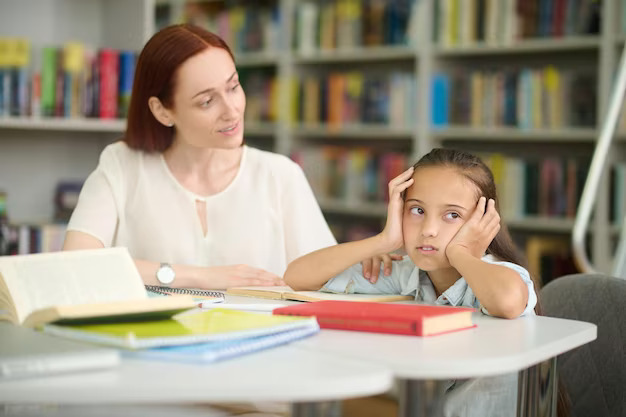
Strong parent-teacher partnerships depend on predictable, positive, and culturally responsive communication. Below are concrete strategies early childhood professionals can use immediately; each is tied to a clear action you can implement this week.
- Start positive-first and keep it regular. Open the year with a note or short call that highlights a child strength. Use weekly or biweekly touchpoints (email digest, classroom newsletter, or quick message) so contact is not only reactive. This builds goodwill and reduces defensiveness when challenges arise.
- Use multiple channels and document them. Combine face-to-face conversations, short emails, daily reports, and a secure messaging app. Note the channel used and next steps in your classroom records so follow-up is consistent across staff members.
- Share clear observations, not labels. Describe specific behaviors or examples ("At circle time, Maya used scissors safely three times") and then suggest a small, concrete home activity to reinforce the skill. This keeps conversations actionable and avoids jargon.
- Co-create goals with families. Invite parents to identify a single priority (sleep, toileting, language) and agree on two strategies to try for two weeks. Review progress together and adjust as needed — short cycles build trust and show results quickly.
- Be culturally responsive and accessible. Offer translated materials or an interpreter, schedule meetings at flexible times, and ask open questions about family routines and strengths. Research on equitable communication highlights that intentional adaptations increase genuine family engagement (Building Equitable Staff-Parent Communication).
- Track outcomes and follow up. Keep a simple log of meetings, concerns raised, agreed actions, and follow-up dates. This shows families you treat their input seriously and creates continuity when staff change.
Many ChildCareEd CDA courses reinforce these strategies with role-play, scripted prompts, and portfolio tasks. For example, the CDA Preschool Renewal Buy Now $250.00 includes practice exercises for parent conferences and written communications that you can adopt in your program.
For evidence-based framing and language to introduce these approaches to families, see practical guidance on proactive, positive-first communication and regular updates (Parent-Teacher Collaboration).
How should educators conduct difficult conversations and resolve conflicts with families?
Difficult conversations are inevitable; handling them well protects relationships and learning. Use a short, repeated script and a predictable structure: prepare, describe, listen, plan, follow-up. Below is a brief protocol you can use as a template.
- Prepare: Gather specific examples, note the child’s strengths, and identify the goal of the conversation (what you want to accomplish).
- Describe without judgment: Share observable facts and avoid labels ("I noticed Jose has been leaving the group during snack three times this week").
- Invite the family's perspective: Ask an open question ("What has snack time looked like at home?"), and listen actively to understand contextual factors.
- Co-create a plan: Offer one or two practical strategies and ask which would work best at home. Agree who will try what and for how long.
- Document and follow up: Send a brief summary of the plan and a follow-up date; keep the next contact focused on results and next steps.
Using this predictable structure reduces emotional reactivity and centers the child. Research into equitable staff-parent partnerships shows that intentional, structured communication reduces misunderstandings and supports inclusion (Building Equitable Staff-Parent Communication).
What additional resources help build parent-teacher relationships?
- Read "Communicating with Families: A Key Skill for CDA Credential Holders" for role-play scripts and portfolio examples.
- See "Creating Community" for strategies that invite family strengths into the classroom.
- Read "How the CDA Helps Preschools Succeed" to understand program-level benefits of staff-family partnerships.
- See "The CDA and the benefit to families" for family-focused outcomes of CDA-trained educators.
- Read "The CDA and Helping Children Thrive" for practical classroom techniques that support continuity across home and school.
- Explore "How Earning a CDA Might Just Make You a Child Whisperer" for informal strategies and teacher reflections useful during parent conferences.
- See "Can Your CDA Portfolio Tell a Story of Partnership with Families?" for concrete guidance on documenting family engagement, selecting artifacts, and reflecting community needs in your CDA portfolio.
Final thoughts: How can educators put these ideas into practice?
Communication is the foundation of a successful early childhood learning experience. By maintaining open, honest, and supportive communication with parents, educators create a nurturing environment where children can thrive.
For those looking to improve their parent communication skills, earning a CDA certification is a great step forward. It provides the training needed to strengthen relationships, improve teaching strategies, and support every child’s success.
Start your journey today with CDA courses at #cdacertification.com and take your parent-teacher communication skills to the next level!
