Determining the most appropriate #daycare for your child requires a careful appraisal of program quality, staff competencies, and the learning environment; this is one of the more consequential decisions a family makes. A well-run program offers a #safe, nurturing setting and intentional opportunities that support social, emotional, cognitive, and physical #development. This guide provides an evidence-informed framework of questions and observable indicators to help you compare programs and verify compliance with licensing and safety standards. If you want immediate training resources while evaluating providers, consider ChildCareEd's Pediatric First Aid & CPR/AED (blended) Buy Now $85.00$80.00 and the 45-Hour Growth & Development Buy Now $399.00 course—both supply practical competencies useful for assessing program safety and quality. We are also offering a limited-time Memorial Day promotion—save $10 on Pediatric First Aid & CPR—to help parents and providers strengthen on-site safety preparedness.
How do I start researching daycares?
Start by researching daycares in your area — online directories, local listings, and recommendations from family and friends are useful starting points. Put out lots of feelers and read reviews and ratings from other parents; our article Daycare Near Me: A Parent's Necessity explains practical steps families take when searching locally. Look specifically for feedback on the daycare's environment, staff interactions, child supervision, #safety protocols, and overall reputation. Expert guides also recommend beginning the search early and making multiple visits before deciding (New York Times guide).
Is the daycare licensed and accredited?
Ensure the daycare is licensed by your state's regulatory body; licensing indicates the program meets baseline health, safety, and staffing regulations. If you are evaluating a home-based program, our guide How to Get a License for a Home-Based Daycare describes common licensing checkpoints. Accreditation (for example, NAEYC) is voluntary but signals a program's commitment to higher-quality practices. When checking licensing and staff-to-child ratios, confirm specific state rules with your licensing agency and consult practical checklists compiled by experts (Mint guide).
What should I observe and ask during an in-person visit?
One of the best ways to get a feel for a daycare is by visiting in person. During your visit, observe the environment, how the staff interacts with the children, and whether the children seem engaged and #happy. Take note of the cleanliness, organization, and safety measures in place.
What specific things should be on my visit checklist?
Use a structured checklist when you tour a program. A checklist reduces bias and helps you compare programs objectively. Focus on observable routines, supervision, and interactions rather than promises or marketing language:
- Staff-child interactions: Are caregivers talking to children at eye level? Do they use calm, respectful language?
- Supervision and ratios: Is every child within sight or reachable by an adult? Ask the director for the program's typical ratios by age.
- Transitions and routines: Are handwashing, meals, and naps managed consistently and with clear procedures?
- Safety and first-response readiness: Where are first-aid supplies, emergency contacts, and evacuation plans posted? Ask who is trained in pediatric CPR and first aid. Our article CPR, Crayons & Confidence explains how pediatric first-aid training equips staff to respond to emergencies and builds parents' trust in your program.
- Cleanliness and illness policies: Is the space clean and child-proofed? Request to see the program's sick-child policy and medication procedures.
- Age-appropriate materials and curriculum: Are activities and materials accessible and varied across developmental domains?
- Staff turnover and training: Ask how long teachers have worked there and what ongoing professional development is required.
- Parent communication: How does the center report daily incidents, developmental progress, and emergencies?
Ask to see licensing inspection reports and any posted staff credentials. If you are evaluating a larger facility or a newly renovated building, consult practical advice in Found a Building for a Daycare? Read This Before You Sign when assessing physical premises. Also consider guidance from parent-facing reporting guides (New York Times).
Using a checklist lets you compare programs on concrete evidence rather than impressions; this is one of the most effective ways to find a reliable daycare.
What qualifications and training should staff have?
Ask about staff qualifications and training: who on staff is trained in pediatric first aid and CPR, who has early childhood education training, and how the program documents continuing professional development. Instead of relying on informal claims, request to see current staff certifications. Many programs require pediatric CPR/first aid; ChildCareEd offers a comprehensive Pediatric First Aid & CPR/AED (blended) Buy Now $85.00$80.00 class and a separate Basic Health & Safety Buy Now $35.00 training that covers topics licensing agencies expect. Our article From Zero to Hero: Why Every Daycare Provider Needs Pediatric First Aid & CPR Skills explains how acquiring pediatric first aid and CPR turns routine caregivers into emergency-ready responders and why programs should prioritize these competencies. Confirm whether training is role-specific and whether substitutes receive the same orientation and updates (source on certifications and safety).
CDACertification.com offers valuable resources for childcare providers to ensure they are up-to-date with certifications and training. Explore our training programs to learn how to enhance your daycare or care provider qualifications.
How does the daycare support learning and development?
Programs that provide structured, age-appropriate activities support children across social, emotional, cognitive and physical domains. Ask for sample daily schedules, examples of lesson plans or activity rotations, and how staff individualize learning for different ages. For background on how daycare programs typically work and what to expect from curricula, see What Is Daycare and How Does It Work?. Ask whether the center follows a published pedagogical approach (e.g., play-based, Montessori, Reggio) and how they communicate developmental progress to families.
If you're looking to further your own knowledge of childcare education, check out this informative article on child development and program structure. Understanding child development can help you better evaluate daycares and recognize the right environment for your child.
Are the daycare's policies clear and transparent?
The daycare should have clear policies regarding hours of operation, sick leave, #emergency procedures, and pricing. Make sure these policies align with your family's needs and that they are communicated transparently before you sign any agreements.
When should I trust my instincts and walk away?
Finally, trust your gut feelings. If something doesn’t seem right during your visit or the staff members don’t make you feel comfortable, consider other options. It’s essential that both you and your child feel confident in the daycare environment.
How can social media help me learn more about a program?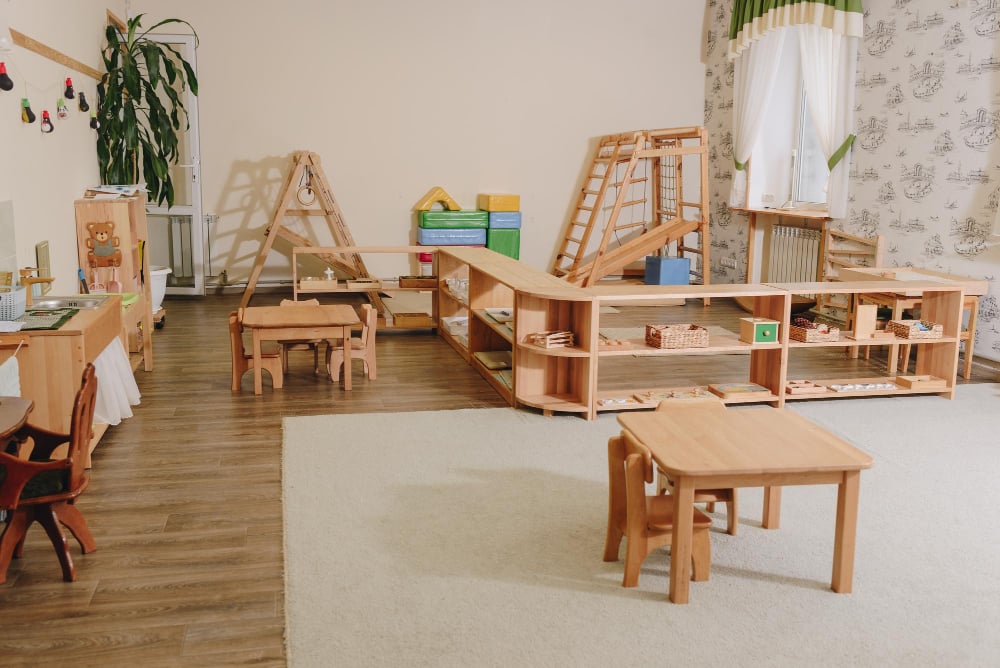
In today’s digital age, following daycare centers and childcare organizations on social media can provide additional insights into daily activities, parent engagement, and program culture. Use social media as a supplement to visits and documentation, not as the primary decision driver.
- Instagram: @childcareed | @aid. #cpr
- Pinterest: ChildCareEd
- Facebook: ChildCareEd | AID CPR
- TikTok: @childcareed
- X (formerly Twitter): @childcareed
Stay connected with us for valuable resources and updates to help you navigate the world of childcare and #early-education. For practical checklists about home-based setups see Maryland Home Daycare Checklist, and for licensing variations see In-Home Daycare Requirements in Georgia. Also confirm current licensing requirements directly with the Maryland Department of Human Services and the Georgia Department of Early Care and Learning, or consult the official state licensing websites for the most up-to-date rules for your program type and locale.
How should I finalize my daycare decision?
Finalize your decision by comparing programs against the checklist you used on visits: licensing status, staff qualifications and turnover, ratios and supervision, curriculum and daily routines, health and safety policies, and clear family communication channels. Prioritize programs that provide written policies, posted inspection reports, and evidence of current staff training. If you want to strengthen your ability to evaluate programs or to meet licensing expectations as a provider, ChildCareEd offers practical trainings such as 45-Hour Growth & Development Buy Now $399.00 and Health & Safety courses.
Ultimately, select the program that aligns with your child’s needs and your family values, document your questions and answers from visits, and confirm the program's licensing status with the local regulator before enrolling.
What are the key takeaways when choosing a daycare?
Compare programs systematically against licensing status, staff qualifications and turnover, child-staff ratios and supervision practices, health and safety policies (including first-aid and emergency planning), and evidence of developmentally appropriate programming. Favor programs that post inspection reports and staff certifications, communicate clearly with families, and demonstrate consistent, respectful staff-child interactions during visits. When in doubt, consult the licensing agency for clarification and consider strengthening your evaluative skills with ChildCareEd trainings such as Basic Health & Safety Buy Now $35.00 or the 45-Hour Growth & Development Buy Now $399.00 course.
